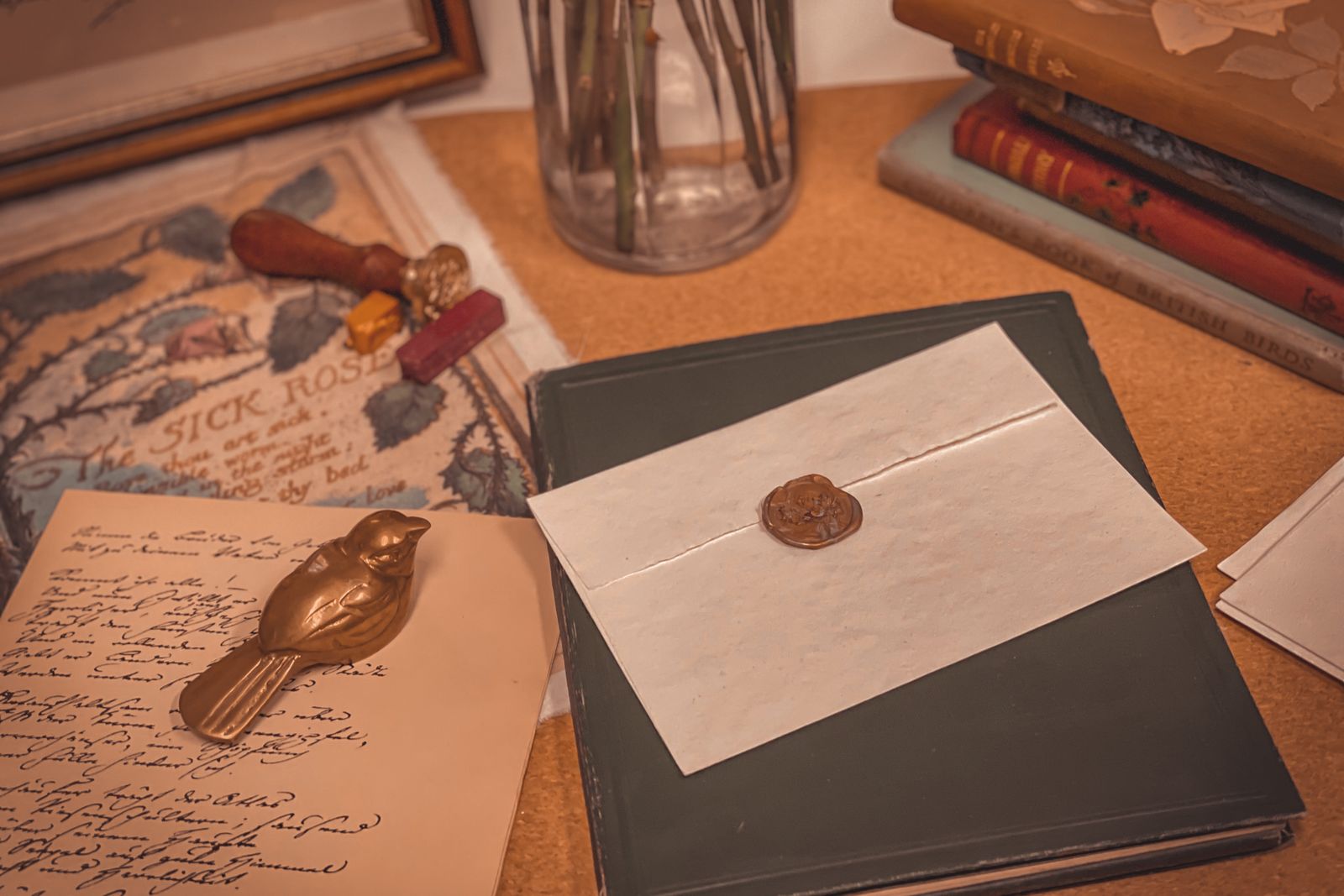
A thank-you note is most useful when it names what you appreciated. A wax seal is an optional design detail; a clear message matters more than the envelope finish. Use a text, email, card, or letter according to the recipient, the situation, and how quickly you need to respond.
A simple note structure
- Address the person in the way you normally would.
- Name the gift, help, invitation, or gesture.
- Say specifically how you used it, what it helped with, or why you valued it.
- Close with a sincere expression of thanks or a relevant next step.
For example: “Thank you for helping us move the bookcases on Saturday. We had the shelves set up before dinner, and the extra hands made a long day easier. I appreciate you making time for us.” Adapt the details to what actually happened; do not use a sample message as a substitute for your own facts.
Choose a format that fits
- A quick text or email can suit a small everyday favor or a time-sensitive acknowledgment.
- A card or letter may fit a more considered note, a gift, or a message you want to deliver physically.
- A wax seal can be added when it suits the recipient and envelope, but it is not required to make the thanks meaningful.
If the note follows an interview, transaction, or service interaction, follow the recipient's communication preferences and reply through the appropriate channel. A decorative mailed note can complement a direct response, but it should not delay one.
If you plan to mail the note
Use the envelope's intended closure and treat a wax seal as decorative unless the materials are designed to close it. Check the complete piece for address placement, dimensions, weight, and postage. See the preparation guide and the postal eligibility overview. For several recipients, see customer appreciation mail planning.
Have a message worth making tangible?
A printed letter, a few pieces in an envelope, or something more particular. Tell us what you want to send. We will help work through the format and handle the physical work, from one recipient onward.