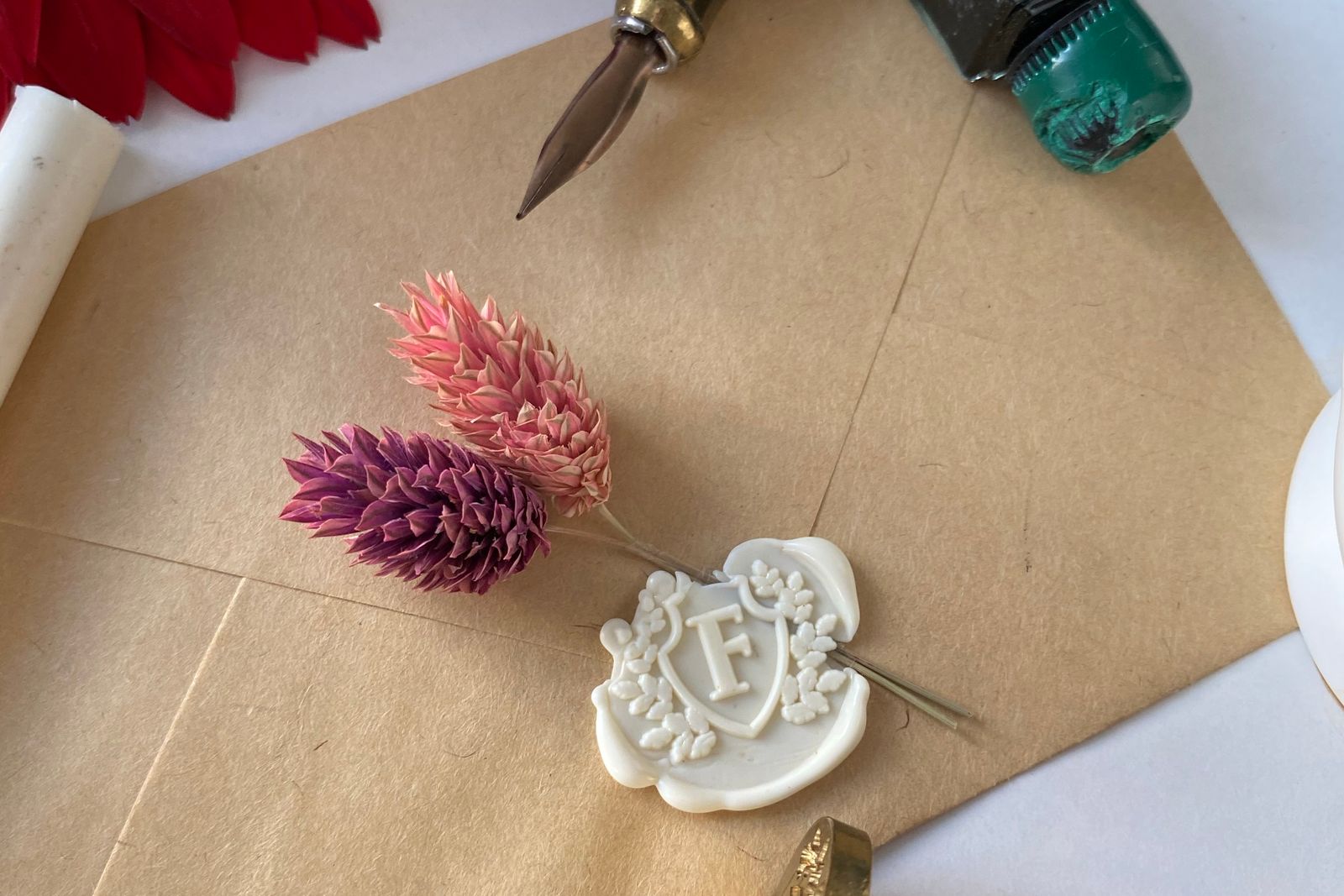
A romantic letter does not need a grand gesture or a borrowed movie line. It can say something ordinary and true in a form the recipient is comfortable receiving. Think about the relationship, the reason for writing, and whether a physical letter is welcome.
Use a simple structure
- Open directly. Say why you are writing or what prompted the note.
- Describe one memory. Include the place, action, or small detail that makes it yours.
- Name something you value. Be specific about a quality, choice, or way the other person has supported you.
- Close in your own voice. A short expression of affection is enough; do not make a promise just because it sounds poetic.
Keep the message personal and respectful
Write from your own perspective rather than telling the recipient what they must feel. Avoid using private information or a surprise mailing if it could make the person uncomfortable. A few plain sentences can be more natural than a long list of compliments.
Choose handwritten, printed, or email based on accessibility, preference, privacy, and timing. A printed letter can include a photograph or note, but embellishments are optional. If you add a seal, confirm the product and envelope suit the finished mailing; the preparation guide and postal overview cover those decisions.
For a milestone-specific note, see anniversary letter prompts. For a format built around a personal gift, see letter gift ideas.
Have a message worth making tangible?
A printed letter, a few pieces in an envelope, or something more particular. Tell us what you want to send. We will help work through the format and handle the physical work, from one recipient onward.