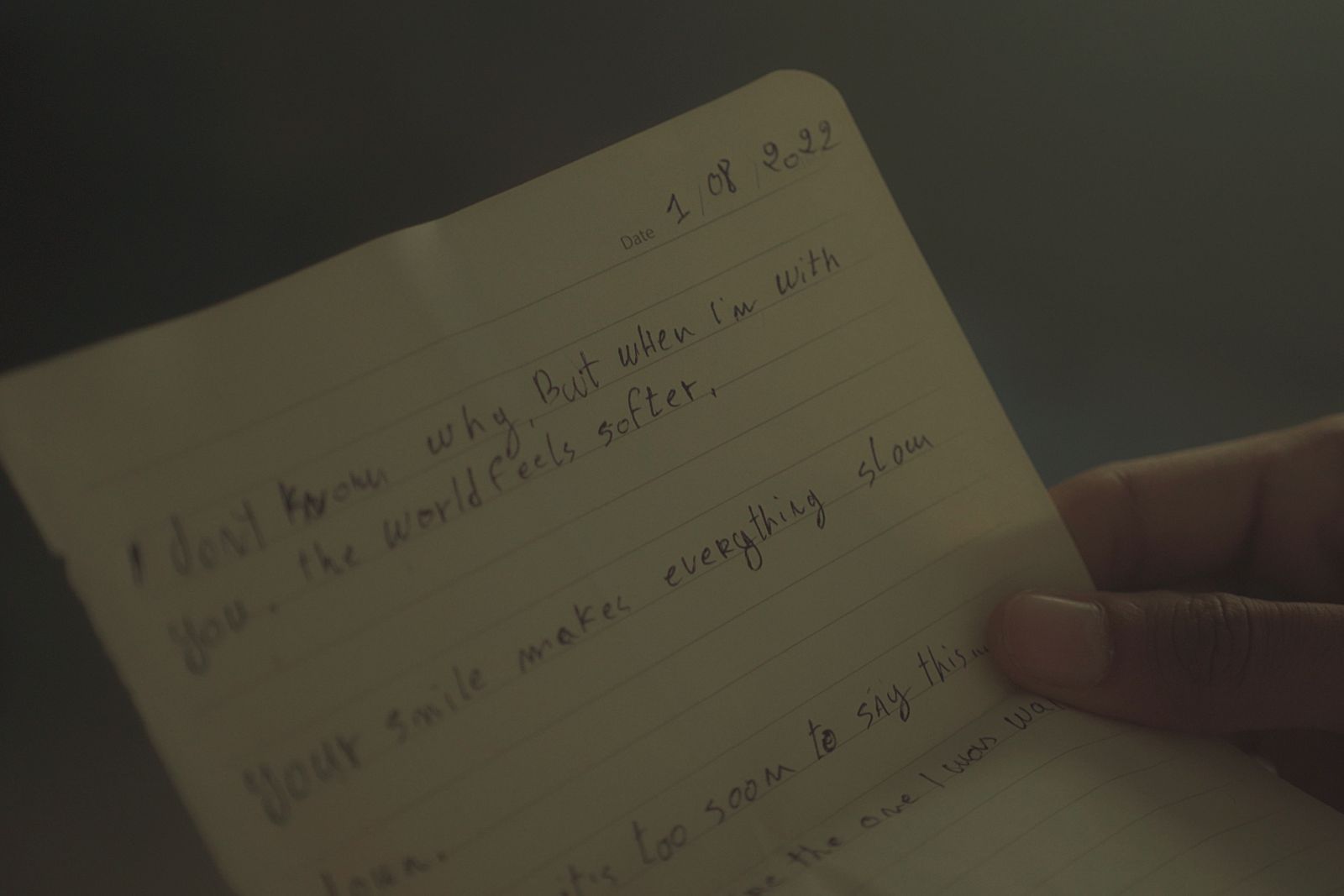
It can be hard to know what to write after someone has experienced a loss. A short, direct message is enough. You do not need to explain the loss, make it feel better, or find a perfect phrase. Acknowledge what happened, express care, and avoid asking the recipient to manage your feelings.
A simple structure
- Address the person by the name you normally use.
- Say that you are sorry for their loss.
- If appropriate, share one specific memory or quality of the person who died.
- Offer a concrete form of help only if you can follow through.
- Close gently without requiring a reply.
For example: “I’m so sorry about your dad. I remember how welcome he made everyone feel at the lake. I’m thinking of you. I can drop dinner off Thursday if that would help; no need to answer now.” Use details that are true to your relationship and offer only what you are prepared to do.
What to leave out
- Do not compare the loss with your own unless you know the person wants that conversation.
- Avoid explanations about why the loss happened or claims that the recipient should feel a certain way.
- If you offer help, name what you can do and when. A clear, specific offer is easier to accept.
- Do not ask for a response or update on your schedule.
Choose the format with the recipient in mind
A handwritten note, printed letter, email, or brief message can each be appropriate. Consider the recipient's preference, accessibility, and any practical need for quick contact. A wax seal or formal stationery is optional and may not suit every relationship or moment.
If you send a physical letter, make sure the address is current and use a format that is comfortable to open and read. For other personal correspondence ideas, see when a paper letter may fit and the thank-you note guide.
Have a message worth making tangible?
A printed letter, a few pieces in an envelope, or something more particular. Tell us what you want to send. We will help work through the format and handle the physical work, from one recipient onward.