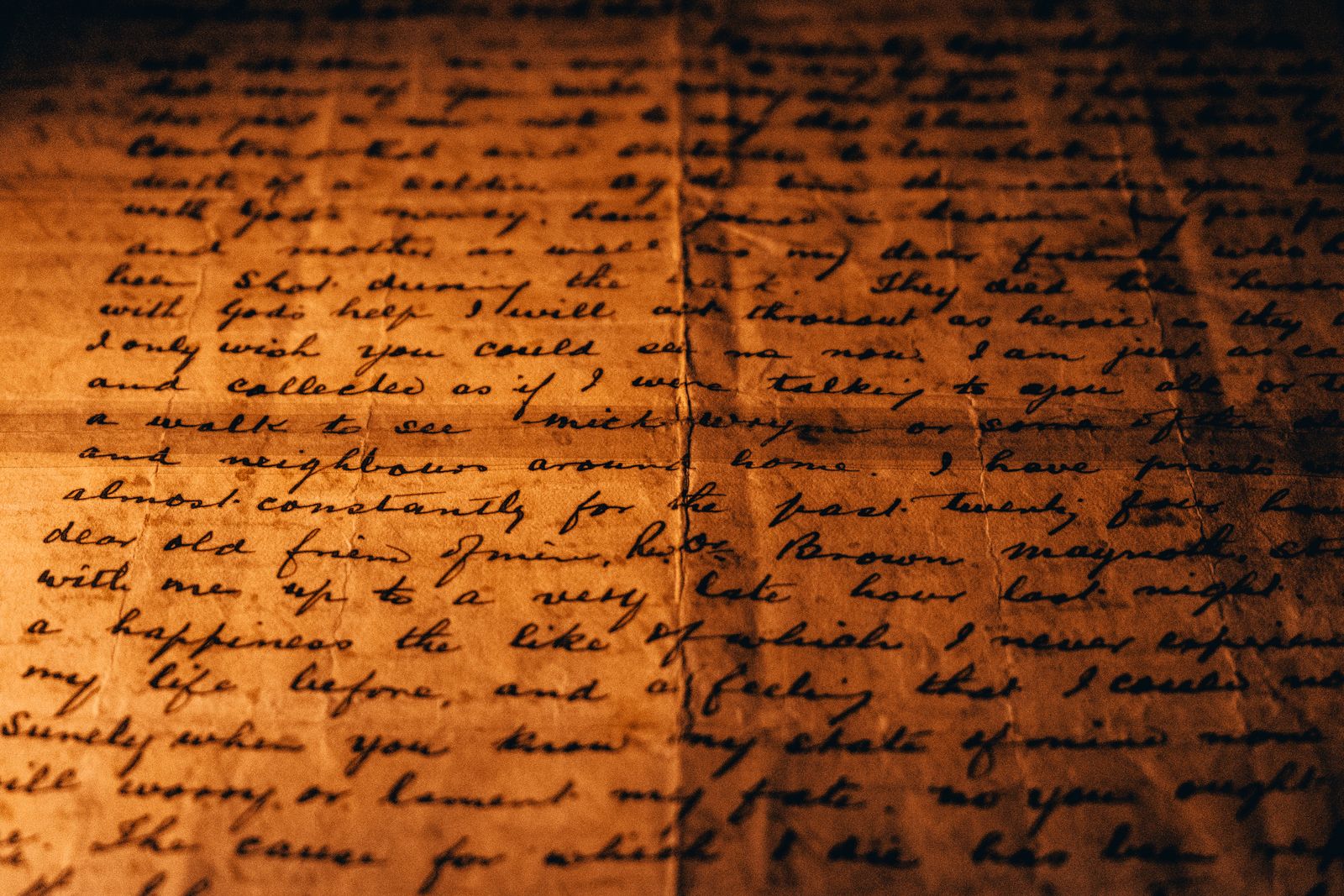
“Wax seal” can describe a modern decorative impression, but the longer history of seals includes different tools, materials, and purposes. A carved seal pressed into clay is not the same object as a wax impression on a folded letter. The useful historical thread is the mark: a design used to identify a person or office, record a transaction, or close a container.
Seals before wax correspondence
The Metropolitan Museum of Art describes ancient Near Eastern cylinder seals carved in stone and rolled over clay. The impressions could mark ownership or identification, close jars or doors, or appear on tablets recording commercial and legal transactions. Its example of a sealed clay tablet case from Kültepe, dated to the early second millennium BCE, preserved a document about a silver loan and impressions from witnesses' seals. This was clay administration, not wax stationery.
That distinction matters. Seals appeared in different materials and settings across cultures. A modern wax stamp resembles some later impression-making tools, but it does not carry the same legal or institutional role. See the Met's records on cylinder seals and a sealed Old Assyrian tablet case for specific examples.
Medieval seals as identity and authority
Medieval European seals could carry a central image and a border inscription that identified the authority or gave an instruction to the recipient. The Met's 14th-century French or Italian seal is an object example; its catalog notes that personal mottos, including love mottos, could appear on seals. Seals were used by institutions and individuals, and their designs and materials varied. A surviving object documents its own time and context; it is not evidence that every medieval letter used the same sealing practice.
Wax and the letter-writing desk
Later writing equipment kept sealing tools alongside pens, ink, and paper. The Met's British writing set from South Staffordshire includes a fob seal, described as a tool onto which wax could be melted to seal letters. That is a concrete example of a seal used in correspondence, not a universal picture of how all mail was prepared. Postal practices and letter construction varied by period and place.
What changed with the envelope?
Gummed envelope flaps reduced the need for a separate closure to hold many letters shut. Wax did not disappear: it remained available for ceremonial, decorative, and other uses. The history is not a straight line from ancient clay seals to modern wedding invitations; it is a set of related practices shaped by materials and institutions.
A decorative choice today
Today, a wax impression can be chosen as a visual finish on an appropriate paper piece. It does not authenticate the sender, guarantee privacy, prove that a letter has not been opened, or ensure an undamaged trip through the mail. The finished mailpiece still needs to meet the current rules for its class and destination; see the postal standards guide.
If you are choosing a stamp, color, or paper combination, see the practical guides to stamp selection, color, and paper and finishing. They address modern design choices rather than historical claims.
Have a message worth making tangible?
A printed letter, a few pieces in an envelope, or something more particular. Tell us what you want to send. We will help work through the format and handle the physical work, from one recipient onward.