Physical mail can give a client message a tangible form. Depending on the purpose, it might be a printed letter, a small card, a set of useful inserts, or a more finished package. Wax is one optional detail; the format and message should fit the relationship.
This guide outlines practical occasions for business mail and questions to consider when choosing the format. Mail can support a relationship, but no format guarantees that a piece will be opened, remembered, or produce a business outcome.
Choose the format for the message
Physical mail does not have a universal open-rate guarantee. A physical piece may be noticed differently from an email, but attention is not guaranteed. The useful distinction is that paper, printing, and presentation give the message a tangible form.
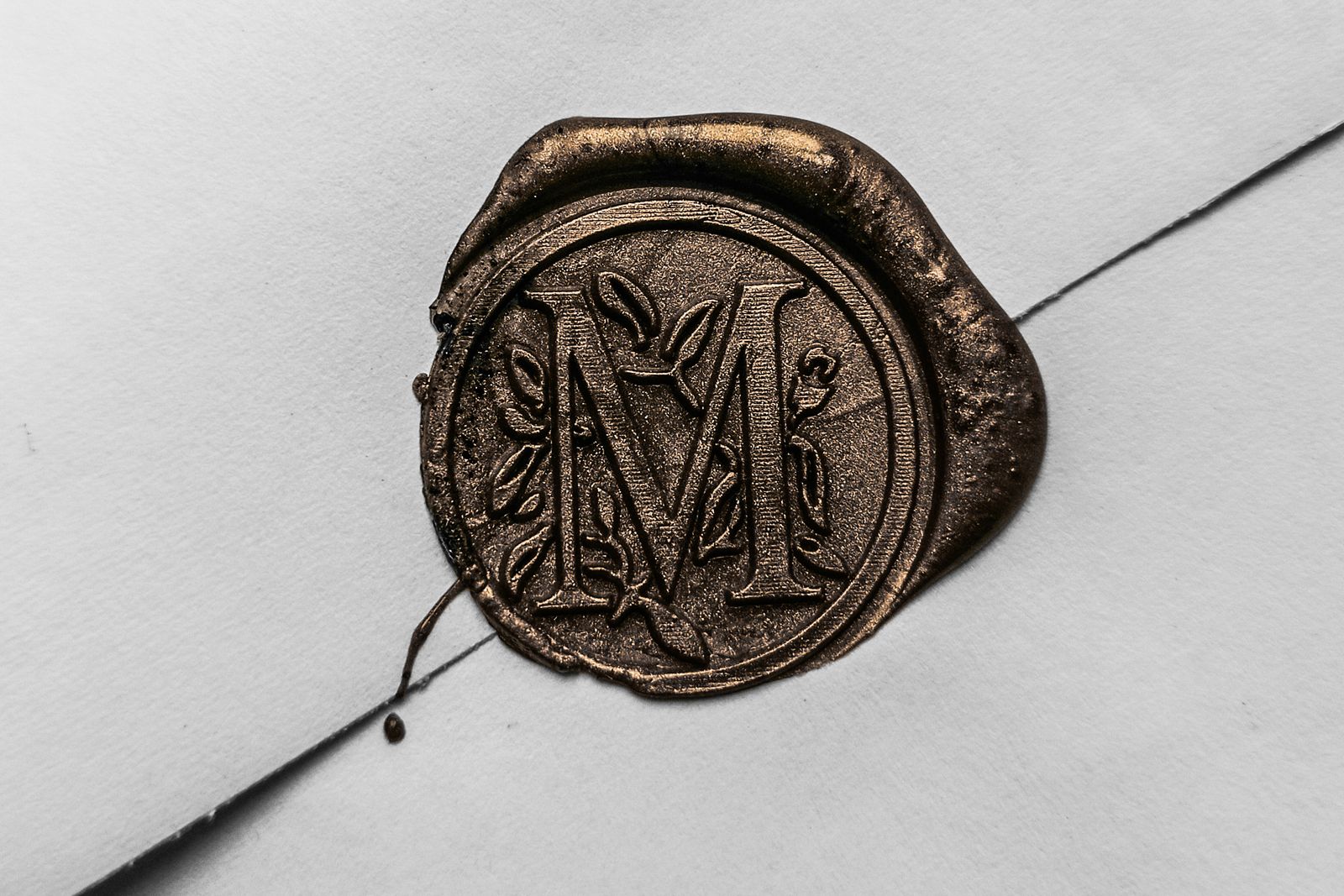
A physical piece may suit a personal welcome, a thoughtful thank-you, or a message that benefits from being kept. A seal can contribute to the presentation, but there is no evidence here that it changes response or retention outcomes.
Possible uses for business mail
Wax sealed corporate letters are not one-size-fits-all. The format should match the message, the client relationship, and the contents of the mailing. Possible uses include:
Client onboarding welcome letters
A welcome note can introduce the people involved, summarize next steps, and provide a direct contact. Choose a requested mailing date that fits your onboarding process and avoid including details that may change after the letter is prepared. Postal transit is separate, so do not treat a mailing date as a delivery date.
Year-end appreciation notes
A year-end note can refer to a shared project or milestone and thank the client for the relationship. Leave time for approvals, production, and postal transit; a mailing date is not a delivery date. See our guide to holiday cards with wax seals for seasonal planning ideas.
Deal closing celebrations
After a deal closes, a short note can thank the client and clarify the next steps. Use a delivery method and timeline that fit the recipient and the details you need to communicate.
Partnership and milestone announcements
A printed announcement is one option for sharing a company milestone with selected clients. Consider whether the news is relevant to them and whether a physical mailing fits your communication plan.
VIP event invitations
Conferences, client dinners, product previews, and networking events may call for a printed invitation when a physical piece suits the audience. Include clear RSVP details and use a digital response path if that is easier for invitees.
Apology and recovery letters
For an apology or service recovery, prioritize a clear explanation, ownership, and practical next steps. A letter may suit some situations; use the channel and response time appropriate to the issue.
Branded Seal Designs
A wax seal can carry a brand mark, initial, or symbol when the artwork and format support it. These are design directions to consider, not a promise that every mark is available as a production option:
- Company logo. A logo may be considered for a wax impression if the artwork can be simplified for the finished size. Ask the provider to review it before planning the mailing.
- Monogram or initials. Company initials in a distinctive typeface offer a more subtle, elegant alternative to a full logo. This works especially well for professional services firms, law practices, and consultancies where understated authority is the goal.
- Symbolic mark. If your brand has a recognizable icon or symbol -- a shield, an animal, an abstract mark -- this can make a striking seal. Think of it as your brand's heraldic emblem.
- Department or occasion-specific. A business may explore different designs for different occasions, subject to the artwork and approved format.
For detailed guidance on creating a custom design, see our post on custom wax seal designs.
Evaluate cost and fit
Compare the mailing's cost with your goals, audience, and other ways to reach clients. Track your own response and retention data; don't attribute a change to the paper format alone.
Estimate the full cost, including design, printing, assembly, postage, and staff time. If you test a mailing, define a measurable goal and compare results with an appropriate baseline before expanding it.
Physical mail is one way to present a message. Whether it is useful depends on the recipient, the message, and the cost of producing and sending it.
Scaling Corporate Mail Without the Headache
A business mailing can involve separate work for printing, recipient details, assembly, finishing, and postage. A provider can coordinate those physical steps around an agreed format.
For an ongoing program, confirm the supported format, recipient-data workflow, materials, personalization, and mailing plan before the first send. Your software can trigger repeat sends through the Matterleaf API; native platform apps are not part of that path.
Available quantities and formats depend on the project. Confirm production steps and quality checks for an approved sample before expanding to a larger send.
Getting Started
To plan a business mailing:
- Identify your highest-value touchpoints. Where in your client lifecycle would a physical letter make the biggest impression? Start there.
- Choose optional finishing. A custom seal, special paper, or additional pieces should serve the message and fit the mailing requirements.
- Build your recipient list. Pull together the addresses of your top clients or the specific recipients for your first mailing.
- Discuss the format with Matterleaf. Share the quantity, personalization needs, timing, and recipient-data workflow to get a suitable plan.
A well-planned mailing can give a business message a physical presentation. Choose it when that format serves the audience and purpose, and keep the message useful on its own.
Have a message worth making tangible?
A printed letter, a few pieces in an envelope, or something more particular. Tell us what you want to send. We will help work through the format and handle the physical work, from one recipient onward.